



The value of hearing quieter voices: Lessons from PlaceShapers Learning Programme
3 September 2026

It requires us to seek out different perspectives, build trust and sometimes slow down enough to hear what isn’t being said in the loudest conversations.
“It’s amazing what you can learn.” That was one of the comments that stays with me from the past month of the PlaceShapers Learning Programme, when our focus was on designing services with and for residents.
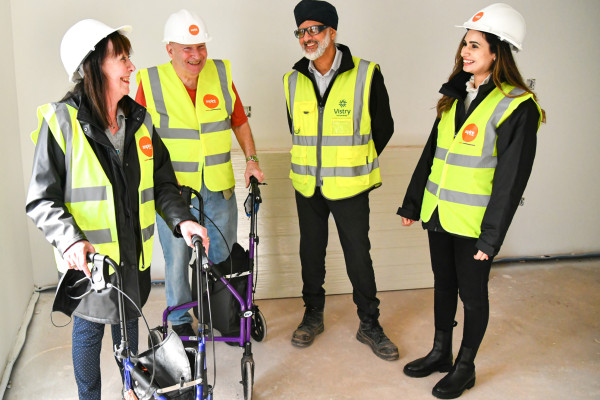
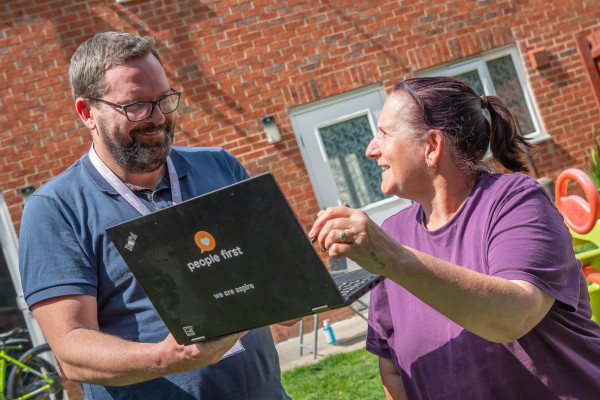
It came from Carol, a resident at Worthing Homes, who joined communications and marketing manager Jamie Rincon to share what they are doing differently in their damp and mould communications as a result of listening to residents.
Her comment captures something that ran through almost every conversation we had this month. When we create space for people to talk, in particular people we don’t always hear from, and listen without already deciding what the answer is, we hear things we might never have thought to ask. Watch the Worthing Homes video.
Members from north, south, east and west generously shared their experiences and learning in the month. We often came back to the same challenge: whose voices are shaping our decisions – and whose might be missing? Here are the key points of learning for me from the month.
1. Who aren’t we hearing from?
It’s easy to ask, “What are residents telling us?” A more challenging question is: “Who aren’t we hearing from?” The people who respond to a survey, attend a meeting or join a resident panel have important perspectives. But they cannot necessarily tell us what someone who doesn’t engage through those routes thinks or experiences. That means hearing quieter voices requires us to think differently about how, where and when we listen.
Jordan and Milly from Havebury Homes shared how their new community champions are helping them hear more of those voices. Rachel, Henry, Steve, Sophie and Jess also generously shared their experiences as new community champions. Watch the Havebury video.
Community Catalysts brought the same theme to life through The Big Conversation. In a video created especially for PlaceShapers, Debbie shared their experience of conversations across the country and five transferable lessons for hearing from people who can otherwise be missed.
They include understanding what already works in a community and who its movers and shakers are; making participation rewarding and meaningful; being adaptable; avoiding over-consultation; and, crucially, showing people how their insights turn into action.
The overriding principle of The Big Conversation’s approach? “Nothing about me without me.” Watch the Lessons from The Big Conversation video.
2. Going deeper, not just wider
Hearing more voices isn’t simply about increasing the number of people who take part. Sometimes it means going deeper.
Marc Rostock at North Devon Homes shared his experience of working with the Ilfracombe Poverty Truth Commission, and what it takes to understand complex, long-standing issues.
These aren’t necessarily problems solved through a survey, consultation exercise or quick service redesign. Understanding people’s experiences requires relationships, trust and time.
Marc talked powerfully about resisting the world of “bang, bang, bang results”: the temptation to jump straight to solutions rather than taking the time to understand what people are really telling us. He also spoke about how the small and simple changes that don't necessarily cost much can have a big impact - how you do things is as important as what you do.
Meaningful involvement can be messier than a neat project plan might like. But slowing down can create the space for different voices to emerge – and for organisations to understand what sits behind them. Watch the North Devon Homes webinar.
3. Finding different ways to listen
Technology can also open new routes into the conversation. At the same webinar, Ifor Jones from Loconomy brought this to life through Hidden Voices to be Heard, a new digital tool being co-designed with residents through the Government’s Social Housing Innovation Fund.
Working with The Pioneer Group and Birmingham City Council, the project is exploring how digital engagement can help reach voices missed by more traditional approaches.
The important point isn’t simply using another engagement channel. It’s recognising that if we keep asking people to engage with us in the same ways, we may keep hearing from the same people.
4. Listening has to lead somewhere
Of course, hearing quieter voices is only valuable if we are prepared to act on what we hear.
Jane Marwood at Wythenshawe Community Housing Group reminded us that actively involving residents is only the beginning. What happens next is what counts.
Being prepared to change our thinking and ensuring what people tell us genuinely shapes services is what matters – something reflected in Wythenshawe’s new website and app.
Jane also highlighted a group whose perspective can sometimes be hiding in plain sight: colleagues who are customers themselves. That dual perspective – understanding an organisation from the inside while experiencing its services as a resident – can bring a particularly valuable lens. Watch the WCHG video.
5. From an ‘initiative’ to how we work
Marisa and Jackie at Soha Housing offered another perspective, sharing Soha’s journey to become a mutual and what happens when resident involvement becomes an organisation-wide partnership, where residents who want to be shareholders have a vital role in the ‘head’ (the governance) as well as the ‘heart’ (the values) of the landlord.
That distinction matters. Hearing quieter voices isn’t about finding one clever new engagement technique or running one particularly successful consultation. It’s about culture: how organisations think about their relationship with residents, whose knowledge they value and the role residents have in shaping decisions affecting their homes and communities. Watch the Soha video.
Our members are in it for the long term - it's part of being PlaceShapers. They’re rooted in their places and communities, and that changes the nature of the relationship. The question isn’t simply, “What result can we deliver now?” It’s also, “Whose voice do we need to hear to get this right – and what relationship are we building for what comes next?”
That can be difficult amid targets, deadlines, pressures and competing priorities. I’ve really valued members being open about that reality – and about what they’re learning as they try different approaches.
This month has cemented something in my mind. Listening isn’t about collecting more responses and hearing quieter voices isn’t simply about broadening engagement.
It’s about recognising that the people we hear from least may have something to tell us that changes our understanding altogether.
That requires us to seek out different perspectives, build trust and sometimes slow down enough to hear what isn’t being said in the loudest conversations.
Thank you to everyone who contributed this month – our members, residents, community champions, colleagues and partners who shared their experiences so openly. The value of the Learning Programme comes from a willingness to share not only what works, but what we’re still learning.
And perhaps Carol from Worthing Homes summed it up best: “It’s amazing what you can learn.”
We’ll build on that learning as we turn our PlaceShapers Learning Programme attention to supporting the needs of younger and older residents – exploring what members are learning about listening to, understanding and responding to people at different stages of their lives. There lots coming up so do get involved.