

How Eden HA's wildlife partnership brought together the community
10 June 2026

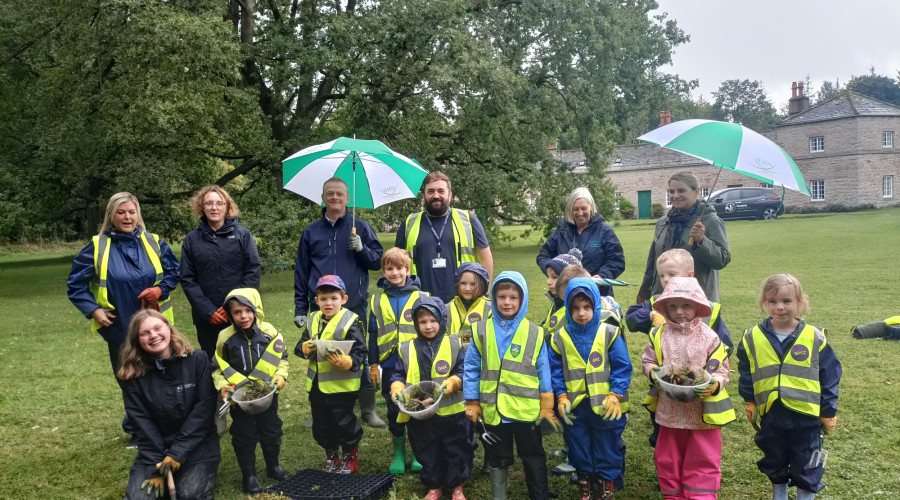
This was not just about planting flowers. It was about creating a place that reflects local identity, strengthens connections and gives residents a visible role in shaping where they live.
At Eden Housing Association, we know that places matter. The spaces around our homes help shape how people feel about where they live, and when residents are involved in improving those spaces, the benefits can reach far beyond the physical environment. That is exactly what we have seen at Lowther, where a new wildflower meadow has become not just a habitat project, but a shared community effort rooted in local pride, partnership and stewardship.
Working with Eden Housing Association residents, Cumbria Wildlife Trust, Lowther Endowed Primary School, the local nursery and Fibrus, we helped establish a new wild meadow in the village. The project builds on the wider momentum highlighted in recent coverage of Wild Lowther, showing what can happen when local people, community organisations and businesses come together around a common goal: creating better places for people and for nature.
Lowther felt like a particularly fitting place to start. The surrounding 17th century social housing was originally built for people working on the Lowther Castle estate, so there is something powerful about the community once again working together to shape the local landscape for future generations. This was not just about planting flowers. It was about creating a place that reflects local identity, strengthens connections and gives residents a visible role in shaping where they live.
For us, Lowther was also a strong first project because residents were ready to get involved. We had tenants interested in volunteering on the village’s open green spaces, and Cumbria Wildlife Trust brought the expertise and structure needed to support that enthusiasm. That combination mattered. It meant the project was not done to the community, but with it, and that is a crucial difference in any place-shaping work.
Bringing in pupils from the primary school and children from the local nursery added another important dimension. Their involvement turned the planting day into something bigger than an environmental initiative. It became a learning experience, a community event and an investment in long-term ownership. When children can return next season and see bees, butterflies and wildflowers in a space they helped create, the connection between people and place becomes real and lasting.
What we learned
- One of the clearest lessons from this project is that bringing different community groups together puts local people at the heart of both design and delivery. The best place-shaping projects are not simply about improving land or assets; they are about building confidence, relationships and shared responsibility. In Lowther, that approach has created a project that residents care about and want to see flourish.
- We also learned that long-term success depends on what happens after the planting day. Everyone wants to see the meadow mature, and that is why ongoing maintenance and stewardship are so important from Eden Housing Association. With continued support, the habitat can develop into something that benefits pollinators, enhances the local environment and gives the village a shared source of pride for years to come.
What next for Eden Housing Association Rewilding?
We are already looking at how the learning from Lowther can shape future rewilding work. We have mapped other suitable areas of land where more wild meadows could be created in partnership with Cumbria Wildlife Trust, and we are speaking to residents who want to be involved again. That continuity matters because successful places are built through ongoing relationships, not one-off interventions.
Looking ahead, we are keen to support more projects where environmental improvement, resident engagement and partnership working come together. Whether through local initiatives or larger infrastructure-linked opportunities, the aim is the same: to create places that are greener, more connected and shaped by the people who live there. Wild Lowther has shown that even a relatively small project can have a lasting impact when the community is genuinely part of it from the start.
We aim to be back planting again with the community in August each year!