



Reflections on Social Place-Shaping: Lessons from Our Year of Learning
2 December 2025

PlaceShapers chief executive Catherine Ryder blogs about our focus on social place-shaping.
From August to November, as part of our Year of Learning, we set out to explore the work our members are doing on social place-shaping - how they are helping to build connected, resilient, and thriving communities.
We wanted to understand what truly makes a difference on the ground, what helps communities thrive even under strain, and what our members can learn from the experience of others.
This learning has taken place against a backdrop of the ongoing social impacts of inequality and rapid change. And yet, what has come through in every conversation and example is that community, people coming together, supporting one another, and taking pride in where they live, remains the bedrock of what we do. This made our focus on social place-shaping feel not just valuable, but particularly relevant.
As we shift our attention to economic place-shaping - how we help create opportunities, raise aspirations, and support financial wellbeing - I want to share my lessons from our work on social place-shaping.
- Social cohesion requires proactive, intentional design
At our Annual Conference, Reverend James Olanipekun of Poplar HARCA reminded us that places can be deliberately shaped for social connection. Faith centres, gardens, arts programmes, cultural events, walkable streets - these are not “nice to haves” but the physical and social infrastructure that helps forge shared identity and resilience.
We know that bricks and mortar are only one part of the story. Cohesion doesn’t happen by chance; it grows out of sustained effort, listening, partnership, and sometimes courage. The most successful approaches are proactive rather than reactive - strengthening communities before they reach crisis point.
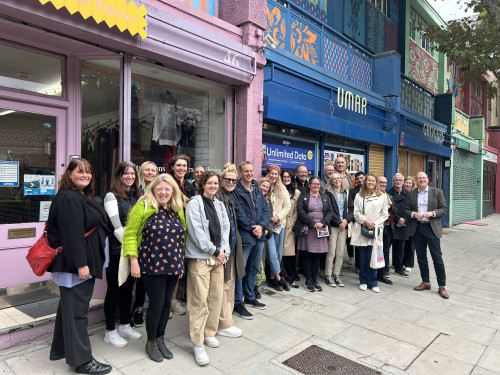
Pictured: A vibrant street in the heart of Poplar.
- Community centres can help build resilience and connections
Our focus this year highlighted the critical role community centres can play in supporting people to thrive and communities to come together in a shared and joint space that they feel like belongs to them.
The Viking Centre in Barton upon Humber, run by Ongo, provides free youth activities, clean-up days, health campaigns, meals, trips, and a cafe. Over eight years it has supported more than 100 young people through mentoring and training and helped over 50 people into work or learning.
The Westcroft Community Centre in Burnage, part of Southway Housing Trust’s largest neighbourhood, is another example of a community centre that is having a real impact. Local partnerships, volunteers, and community ownership underpin its success. It has stepped in to fill gaps left by retreating public services - setting up a women’s group, food club, and an Anti-Poverty Network linking residents with wider support.
Together, these examples show that community centres are not simply buildings; they are spaces where relationships form, opportunities open up, and people feel a sense of belonging.
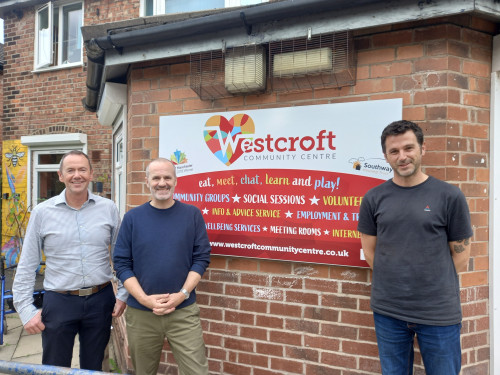
Pictured: Westcroft Community Centre.
- Community-led and youth-centred design create spaces that truly work
A visit to Poplar HARCA and the Spotlight Youth Centre illustrated the power of placing communities - especially young people - at the heart of designed spaces and services intending to support them.
As Helen Wheelock from Alliance Homes reflected, what stands out is how the space reflects the voice of its young users. Programmes aren’t imposed from above; they are shaped and reshaped by the young people themselves. This bottom-up approach keeps services relevant, flexible, and welcoming. It also creates a “holistic ecosystem” where young people can express themselves while accessing wellbeing services and wider support.
SkyWaves, developed by Worthing Homes and their partners, provides high-support accommodation for people who are experiencing homelessness and living with complex needs. As well responding to a particular need in the community, setting Skywaves apart is its human-centred design, developed through significant consultation with service users.
Our PlaceShaping In Action long-term case study shows how every apartment is fully self-contained and four ground-floor homes come with private gardens, making it possible for residents with dogs to stay. The building is trauma-informed and neurodiversity-friendly, ensuring safety and comfort for those who’ve experienced trauma or adverse childhood experiences.
These examples reinforced a clear message: when services are co-designed, they are more trusted, more effective, and more resilient.
- Successful regeneration puts communities in the driving seat
Our visit to Castle Vale in Birmingham with The Pioneer Group showed the lasting power of community-led regeneration.
Once one of the most deprived estates in the country, Castle Vale was transformed through a 12-year regeneration programme that improved homes, reduced social problems, created jobs, and strengthened education. But the most enduring change was not physical, it was institutional. New partnerships in housing, health, education, and community leadership continue to guide the area today. And crucially, residents shaped the regeneration plans and still play central roles in how the place works for the community of today.
As Phil Parramore, Chair of Community Gateway Association, reflected, when communities hold real power, the benefits last long after funding ends. Strong governance and meaningful resident influence are what sustain a place, not one-off interventions.
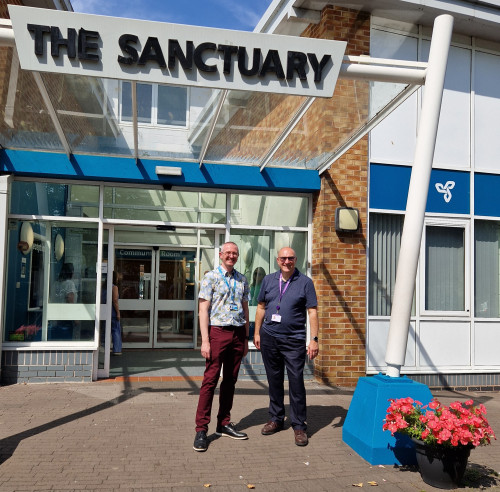
Pictured: Francis Burrows, Chair of the Pioneer Group and Phil Parramore, Chair of Community Gateway in Castle Vale.
- Strong social foundations unlock economic opportunity
As we look ahead to economic place-shaping in our Year Of Learning, one thing has become clear - social and economic place-shaping are inseparable.
Communities with strong social infrastructure, including trusted local spaces, active networks, youth engagement, and resident governance, are better positioned to take advantage of employment, education, and enterprise opportunities. Social connection increases confidence, supports wellbeing, and builds the trust that makes partnerships work.
Economic growth is more inclusive and sustainable when communities are socially strong and economic place-shaping is more effective when built on the firm foundations of social place-shaping.
What we’ve learned this year is that social place-shaping is not an optional extra - community centres, health initiatives, and activities to bring people together can create stronger, fairer and more resilient communities. But we know it know it is hard for some housing associations to prioritise this work when they have got so many other pressures on their business plans. So being able to demonstrate why it matters is more important than ever. To help, we are delighted to share this place-shaping toolkit produced by Greatwell Homes that sets out five practical steps housing providers can take to plan, measure, evaluate and articulate the impact of their place-shaping activities.
As we turn to economic place-shaping, these lessons on social place-shaping will guide how we support residents to thrive both socially and economically.